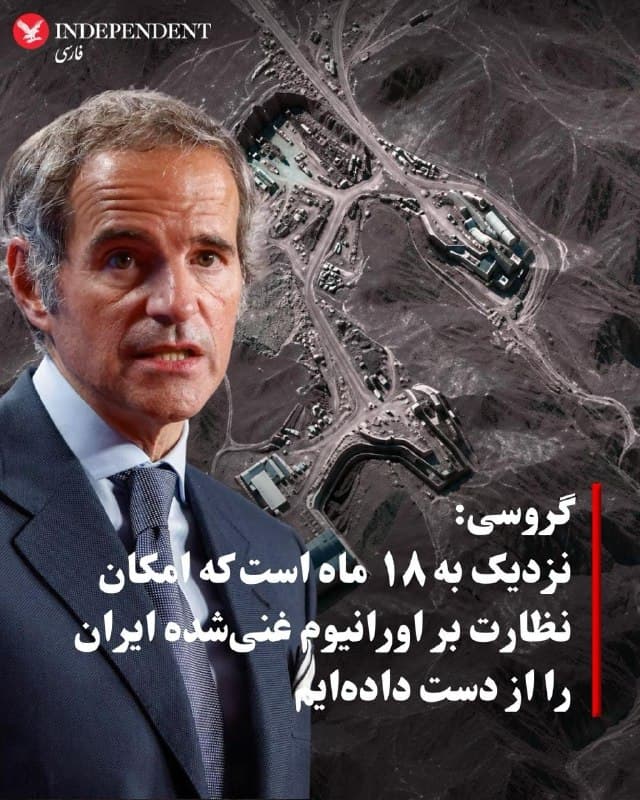
رافائل گروسی، مدیرکل آژانس بینالمللی انرژی اتمی، روز چهارشنبه ۲۷ آبان اعلام کرد که این نهاد، بهاستثنای نیروگاه هستهای بوشهر، نه اطلاعاتی از ایران درباره وضعیت مواد و تأسیسات هستهای اعلامشده دریافت کرده و نه به این تأسیسات برای انجام بازرسی و راستیآزمایی میدانی دسترسی داشته است. گروسی این اظهارات را در سخنرانی آغازین نشست شورای حکام آژانس در وین مطرح کرد و گفت در نتیجه این وضعیت، آژانس نتوانسته است مسئولیتهای نظارتی و پادمانی خود را در چارچوب توافقنامه پادمان ایران ذیل معاهده منع گسترش سلاحهای هستهای (انپیتی) انجام دهد. مدیرکل آژانس با اشاره به حملات نظامی به تأسیسات هستهای ایران در خرداد ۱۴۰۴ گفت نزدیک به ۱۸ ماه از زمانی میگذرد که آژانس امکان حفظ تداوم آگاهی و نظارت بر موجودیهای پیشتر اعلامشده اورانیوم غنیشده ایران، از جمله ذخایر با غنای حداکثر ۶۰ درصد، در تأسیسات آسیبدیده از این حملات را از دست داده است. او تأکید کرد تا زمانی که ایران اطلاعات لازم درباره وضعیت مواد و تأسیسات هستهای اعلامشده خود را در اختیار آژانس نگذارد و امکان دسترسی بازرسان برای انجام راستیآزمایی میدانی فراهم نشود، این نهاد قادر نخواهد بود نتیجهگیری کند که هیچیک از مواد هستهای اعلامشده از فعالیتهای صلحآمیز منحرف نشده است. گروسی همچنین گفت آژانس در شرایط کنونی قادر نیست درباره اجرای مفاد مرتبط قطعنامههای شورای امنیت سازمان ملل متحد و قطعنامههای شورای حکام که در آبان سال گذشته و خرداد امسال تصویب شدهاند، گزارش دهد. مدیرکل آژانس در بخش دیگری از سخنانش بر ضرورت بازگشت به مسیر دیپلماسی و مذاکره برای حل اختلافات مربوط به برنامه هستهای ایران تأکید کرد. او از تهران خواست مجموعهای از اقدامات فنی و تدریجی را در نظر بگیرد که زمینه بازگشت بازرسان آژانس به تأسیسات هستهای ایران را فراهم کند. به گفته گروسی، چنین اقداماتی میتواند به بازگشت اجرای عادی تعهدات پادمانی و ایجاد فضای اعتمادسازی برای دستیابی به توافقی گستردهتر کمک کند. @ VahidOOnLine 📡 @VahidOnline
English
Rafael Grossi, director general of the International Atomic Energy Agency (IAEA), said on Wednesday, 27 Aban, that apart from the Bushehr nuclear power plant, the agency had received no information from Iran about the status of its declared nuclear materials and facilities, and had been given no access to those facilities to conduct inspections and on-site verification. Grossi made the remarks in his opening statement at the IAEA Board of Governors meeting in Vienna. He said that, as a result, the agency had been unable to fulfill its monitoring and safeguards responsibilities under Iran’s safeguards agreement pursuant to the Treaty on the Non-Proliferation of Nuclear Weapons (NPT). Referring to the military attacks on Iran’s nuclear facilities in Khordad 1404, the IAEA chief said nearly 18 months had passed since the agency lost the ability to maintain continuity of knowledge and monitoring of Iran’s previously declared stocks of enriched uranium—including stocks enriched to up to 60 percent—at facilities damaged in the attacks. He stressed that until Iran provides the agency with the necessary information about the status of its declared nuclear materials and facilities, and allows inspectors access to conduct on-site verification, the agency will be unable to conclude that none of the declared nuclear material has been diverted from peaceful activities. Grossi also said the agency is currently unable to report on the implementation of relevant provisions of United Nations Security Council resolutions and IAEA Board of Governors resolutions adopted in Aban last year and Khordad this year. In another part of his remarks, the IAEA chief stressed the need to return to diplomacy and negotiations to resolve disputes over Iran’s nuclear program. He urged Tehran to consider a series of technical, phased steps that would pave the way for IAEA inspectors to return to Iran’s nuclear facilities. According to Grossi, such steps could help restore the normal implementation of safeguards obligations and build confidence toward reaching a broader agreement. @VahidOOnLine 📡 @VahidOnline