English
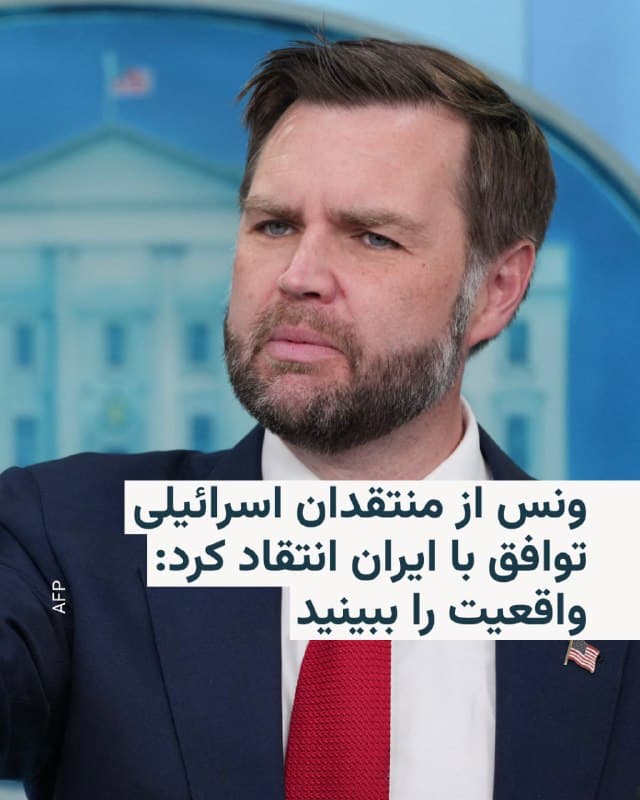
Opening remarks by U.S. Vice President JD Vance:
🔸 Last night, 12.5 million barrels of oil passed through the Strait of Hormuz. That’s the highest amount since the conflict began.
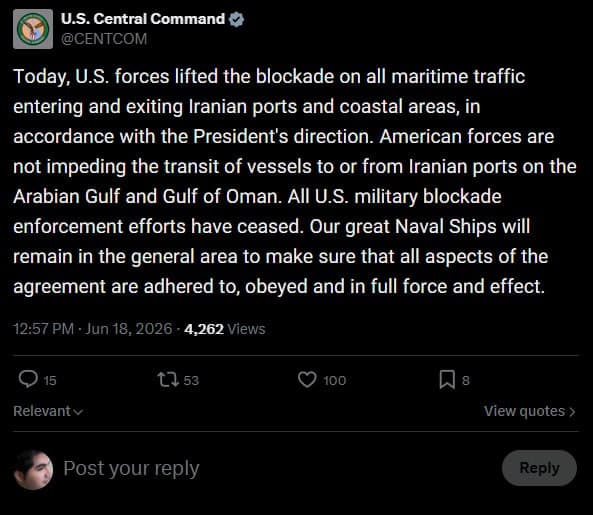
🔸 For the second night in a row, the Iranians did not fire on any ships in the Strait of Hormuz. So far, they have honored their commitment. CENTCOM has allowed twelve ships to pass through our naval blockade, so we are honoring our commitment as well.
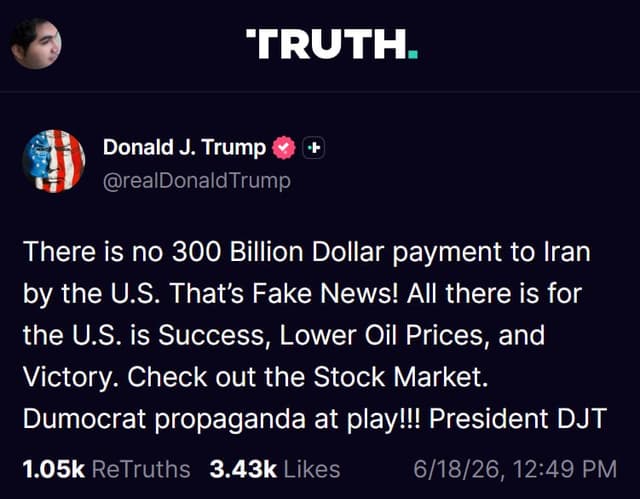
🔸 You’ll hear things about $300 billion or $24 billion, or this figure or that amount of money. The simple truth is that the only way the Iranians can get access to any of these resources—not even one cent from the United States of America, under any circumstances, by the way—is if they fully comply and change their behavior. If the Iranians don’t change their behavior, their military and nuclear programs will continue to be destroyed. If they do change their behavior, then they’ll have a transformative relationship with the Middle East. This is a win-win for us.
🔸 There are real divisions in Iran. What we’ve seen is that the pragmatists are winning the argument.
🔸 I’ve seen people who are skeptical of this agreement—people who say the Iranians will never change their behavior. Well, maybe that’s true, and if it is, they won’t get any of the benefits of this deal. But isn’t it worth trying?
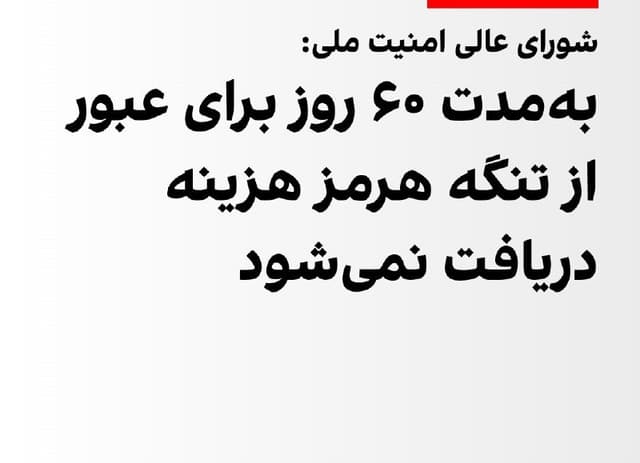
🔸 I’m saying the 60-day period officially starts today. So yes, the agreement started yesterday—we’ll start the 60-day clock today.
🔸 All the president said yesterday was that, of course, countries don’t give up their right to self-defense. Israel doesn’t give up its right to self-defense if Hezbollah fires rockets or drones at Israel. The Iranians don’t give up their right to self-defense in their own country. But we expect that, as part of the final agreement, they won’t be able to build missiles that could broadly threaten the entire world. That’s what the president of the United States said yesterday. And look, it’s very simple: You can’t tell a country—whether it’s Israel or Iran—that it doesn’t have the right to defend itself.
🔸 Reporter: President Trump said yesterday that if these negotiations run into trouble, he’ll blame you. Are you worried he’ll make you the fall guy?
JD Vance: No, not at all. I think the president was joking, as he often does.
🔸 JD Vance on the Strait of Hormuz: We never want this to happen again, right? This isn’t about tolls. It’s about making sure the straits are never used as a chokepoint for the global economy. Honestly, it’s not something the Iranians want, either.
🔸 JD Vance on lifting sanctions: Honestly, we didn’t see this as a major concession to the Iranians—Iran didn’t see it as a concession to them, either—because sanctions weren’t what was stopping them from selling oil. They were selling a lot of oil without any discounts, because the sanctions were basically ineffective. What the sanctions did at the time was push Iran’s financial system, in a way, into the shadow banking system. By lifting the sanctions, we’ll actually be able to see a little more about where their financial system sends money and where it receives it from. That’s a real advantage.
🔸 What I’d say to some of the critics of the deal I’ve heard, the ones who say, “Well, Iran is going to get all these benefits,” is this: I’ll repeat what I’ve said, and probably need to repeat several times. What benefit will the Iranians get that they didn’t have before? The answer is none. They get nothing unless they change their behavior. If they do change their behavior, that’s something to celebrate.
🔸 No one can deny another country’s right to self-defense—Israel has the right to defend itself. But essentially, the Israelis, like everyone else, need to respect this peace process, which is fundamentally good for them and for the entire region.
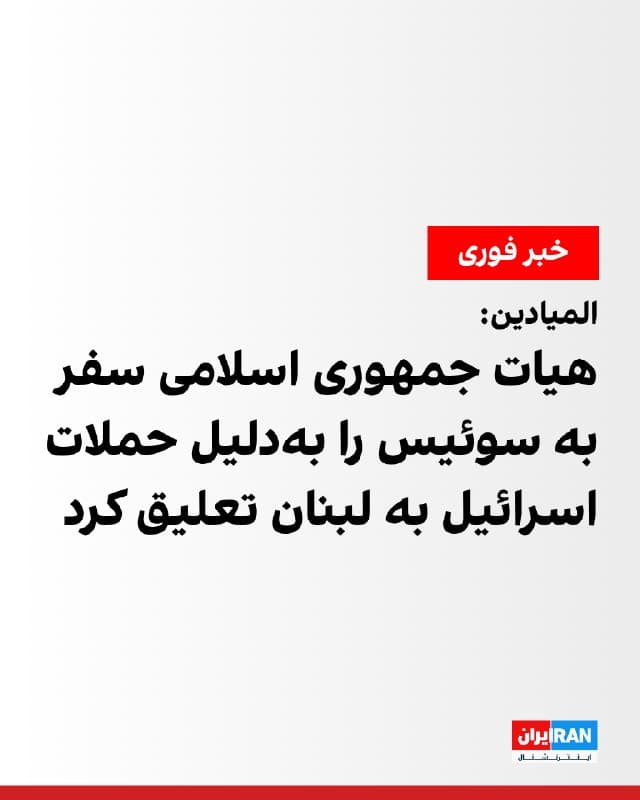
🔸 On criticizing Israel: It looks like we’re right on the verge of a major breakthrough in the agreement, and then suddenly there’s a massive explosion in a civilian population center in Beirut, and many people with no connection to Hezbollah lose their lives. That’s unacceptable.
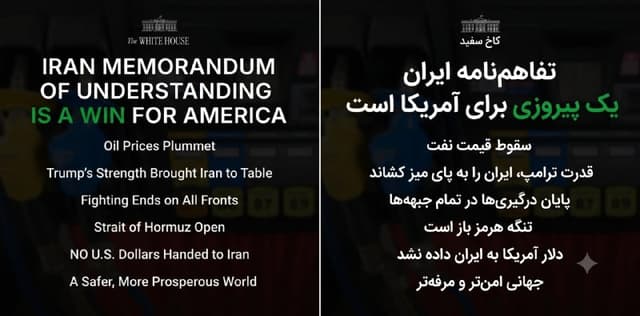
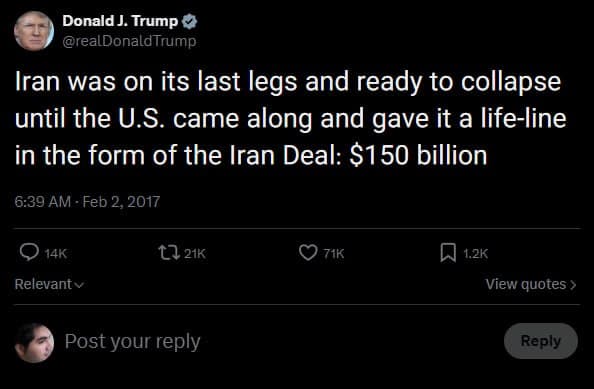
🔸 Obama’s nuclear deal allowed enrichment—our deal does not. Obama’s deal allowed the accumulation of weapons-grade material; our deal will actually result in the destruction of that stockpile of enriched material. Obama’s deal gave them more than a billion dollars in American money; this deal gives them no American dollars.
🔸 They’ve made very specific nuclear commitments. They’ve committed to destroying the highly enriched stockpile they have. But the second point is that the only thing we’ve done is lift the blockade in the strait—which essentially takes it back to the way it was before the conflict.
🔸 Ladies and gentlemen, words don’t matter; we’re talking about verification.
🔸 Let’s suppose that two years from now, they’ve done what we need to see with their nuclear program and we lift the sanctions as agreed. Then they decide to rebuild their nuclear program. Of course, in that case, those sanctions will snap back. That’s why this really works like a reset button: The more they increase their good behavior, the more economic relief we can provide; if they reduce their good behavior, we can cut it off.
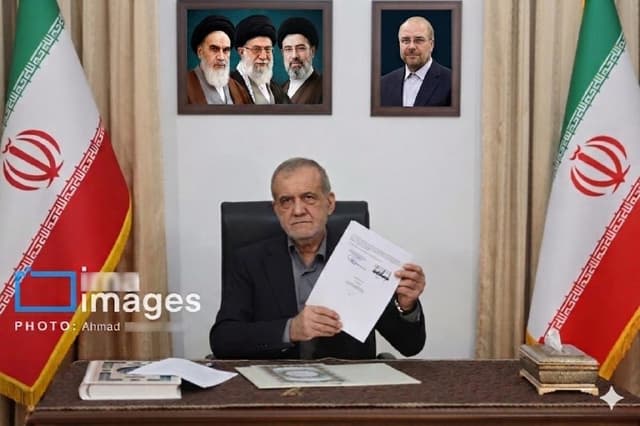
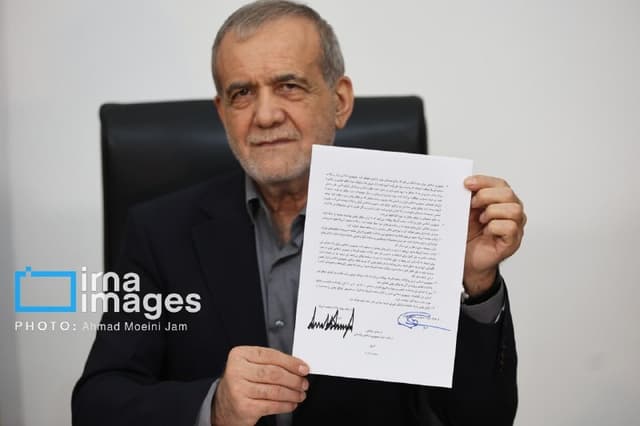
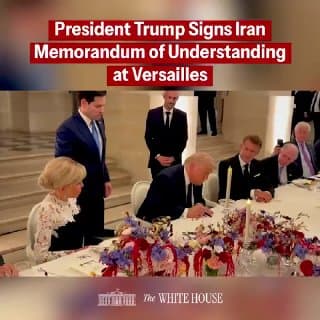
🔸 What actually happened is that we signed the memorandum of understanding on Sunday. That set the terms of the agreement. The Iranians came to us and said, “We’d like not to release the text until Friday.” I didn’t really understand that—I wanted to release the text immediately. But to accommodate them, we said, “Okay, we’ll wait until Friday.” Then, throughout Monday and Tuesday, while the president was at the G7 summit, perhaps foreign leaders were speaking with the Iranians and encouraging them to do this. We were certainly telling them, “We understand that you don’t want to release the text until Friday, but you know we live in a democratic system. The American people want to see the text of this agreement. We’d certainly like to release it as soon as possible.” So they decided that their president would sign it, our president would sign it, and then they would release the text immediately as a signed document.
🔸 It’s not right to think that selling a few million dollars’ worth of oil is going to fundamentally change Iran’s economy.
🔸 As for the frozen funds, the amount of money—honestly, I don’t know. I’ve heard figures above $100 billion. I’ve actually heard figures above $200 billion, too. Most of it isn’t in U.S. accounts; most of it is either in the Persian Gulf, in Europe, or somewhere else. But I don’t know the exact amount—it’s a lot.
🔸 I’ve seen reports—I don’t know where they came from—that the Qataris have released billions of dollars and Iranian assets. That’s not true at all. It would be impossible for the Qataris to do that without our approval, and certainly without our seeing it.
🔸 On Iranian missiles: Their ability to launch missiles has been significantly reduced. Has that ability been reduced to zero? No. But it has been significantly reduced. We haven’t abandoned that mission. We’ve accomplished it.
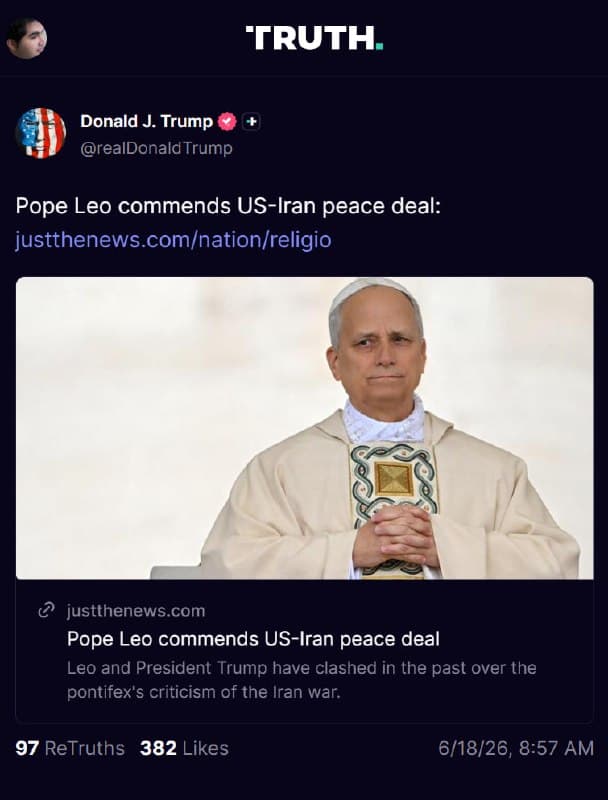
🔸 Thank God. I’m glad the Pope has said positive things about our memorandum of understanding.
🔸 What we’re saying is that we’ll return our forces to pre-conflict levels. We don’t intend to keep several additional carrier strike groups there. The Iranians don’t want that; honestly, we don’t want it either.
🔸 Reporter: Who is going to finance that $300 billion fund for Iran?
JD Vance: There’s a great deal of willingness across the Arab world, and even beyond it, to get involved if Iran behaves appropriately.
🔸 Have a little faith in the president’s ability. Given that he’s brought us this far, he can take us through the final step.
🔸 Donald J. Trump is the only head of state anywhere in the world who feels sympathy for the people of Israel at this moment. If I were in the Israeli cabinet, I might not attack the only powerful ally I have anywhere in the world.
🔸 Over the past three months, two-thirds of the defensive weapons that have protected Israel were made by American hands and paid for with American taxpayer money. Donald J. Trump is not Israel’s problem. Anyone in Israel who thinks their biggest problem is the president of the United States needs to wake up and understand the reality of their country’s situation.
🔸 Reporter: What would stop Iran from rebuilding and restarting its nuclear program in the future?
JD Vance: First of all, they’d have to get a lot of money to be able to rebuild their nuclear program.
c-span 📡 @VahidOnline