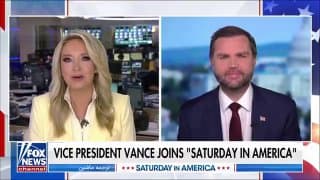
گفتوگوی جیدی ونس، معاون رییسجمهوری آمریکا با فاکسنیوز، بخش مربوط به ایران با تشخیص و ترجمه ماشین: 🔻 ونس: ... ما با ایرانیها در حال گفتوگو هستیم. تلاش میکنیم میزان نفت و گازی را که از تنگه هرمز عبور میکند به حداکثر برسانیم. در حال حاضر بیش از هر چیز روی همین متمرکز هستیم. فکر میکنم میبینید که قیمت نفت امروز به حدود ۸۰ دلار در هر بشکه کاهش یافته و گاهی کمی پایینتر هم میرود. بنابراین فقط تلاش میکنیم مطمئن شویم آنچه را که از این درگیری نیاز داریم به دست میآوریم. اگر به عقب برگردید و به یاد بیاورید که اینجا چه کردهایم، برنامه هستهای آنها را نابود کردهایم، نیروی نظامی متعارفشان را نابود کردهایم و آنچه را میتوان توانمندیهای نظامی نامتقارنشان نامید، بهشدت کاهش دادهایم. و اکنون میخواهیم ببینیم آیا حاضرند آن نوع تغییرات بلندمدتی را انجام دهند که برای داشتن رابطهای بهتر با ایالات متحده ضروری است یا نه. اگر هم حاضر نباشند، اشکالی ندارد. ما همچنان هر فشاری را که بتوانیم وارد میکنیم و تلاش میکنیم تا جای ممکن نفت و گاز بیشتری از خاورمیانه به جریان بیندازیم تا آمریکاییها بتوانند از قیمت پایینتر بنزین و انرژی بهرهمند شوند. این همان موازنه ظریفی است که باید برقرار کنیم. آخرین چیزی که در این باره میگویم، کیلی، این است که همیشه سعی میکنم به مردم یادآوری کنم که واقعاً هنوز وسط بازی هستیم. این ماجرا تمام نشده است. دیگر در ابتدای کار هم نیستیم؛ وسط بازی هستیم و مجموعهای کامل از ابزارها—دیپلماتیک، اقتصادی و نظامی—را به کار میگیریم تا مطمئن شویم بهترین نتیجه را برای مردم آمریکا به دست میآوریم. کاملاً مطمئنم که به آن نقطه خواهیم رسید، اما هنوز تا حدی وسط بازی هستیم. 🔺 کیلی مکاننی: ایرانیها هم از راههای مختلف این پیام را دادهاند که میخواهند کنترل خود را بر تنگه هرمز محکمتر کنند. بنابراین در یک توافق فرضی، وضعیت قابل قبول در تنگه هرمز چه خواهد بود؟ 🔻 جیدی ونس: انتظار ما این است که همان میزان نفت و گازی که پیش از آغاز این درگیری از خلیج [فارس] خارج میشد، دوباره از آن خارج شود. ایرانیها به ما گفتهاند که قرار است همین کار را انجام دهند. کل ائتلاف کشورهای خلیج [فارس] نیز همین را میخواهد. اما میدانید، ما اعتماد نمیکنیم؛ راستیآزمایی میکنیم. به حرف مردم نگاه نمیکنیم، به عملشان نگاه میکنیم. میبینید که برخی افراد در داخل ساختار ایران درباره گرفتن عوارض صحبت میکنند. ایرانیها به ما گفتهاند هیچ برنامهای برای گرفتن عوارض از عبور و مرور در تنگه هرمز ندارند. اما باز هم خواهیم دید در عمل چه اتفاقی میافتد. آنچه طی حدود یک هفته گذشته در جریان بوده این است که ایرانیها و کشورهای خلیج [فارس]، بهویژه عمان، درباره چگونگی تضمین عبور و مرور امن گفتوگو کردهاند. البته یک مشکل این است که ایرانیها در آغاز جنگ تعداد زیادی مین کار گذاشتند. بنابراین آنچه اکنون واقعاً داریم روی آن کار میکنیم این است که چگونه میتوان سازوکاری برای تردد ایجاد کرد تا کشتیهایی که عبور میکنند بتوانند با ایمنی عبور کنند. این طبعاً شامل مینروبی هم میشود. همچنین شامل تعهد ایران میشود که به کشتیهای تجاری شلیک نکند. آنها بهشدت آسیب دیدهاند. میخواهند این ماجرا تمام شود. سؤال این است که آیا قادرند—آیا نظامشان قادر است—چیزهایی را که لازم است ارائه کند تا ما راضی باشیم و احساس کنیم آنچه را از این رویارویی نیاز داشتیم به دست آوردهایم. این هنوز مشخص نشده است، اما فکر میکنم طی چند روز گذشته مقداری پیشرفت کردهایم. 📡 @VahidOnline
English
JD Vance, the U.S. vice president, in an interview with Fox News; the section about Iran, based on machine transcription and translation: 🔻 Vance: ... We’re talking with the Iranians. We’re trying to maximize the amount of oil and gas flowing through the Strait of Hormuz. Right now, that’s what we’re focused on more than anything else. I think you can see that oil prices have fallen to around $80 a barrel today, and sometimes a little lower. So we’re just trying to make sure we get what we need out of this conflict. If you look back and remember what we’ve done here, we’ve destroyed their nuclear program, destroyed their conventional military, and significantly reduced what you might call their asymmetric military capabilities. And now we want to see whether they’re willing to make the kind of long-term changes that are necessary to have a better relationship with the United States. If they’re not willing, that’s fine. We’ll keep applying whatever pressure we can and try to get as much oil and gas flowing out of the Middle East as possible, so Americans can benefit from lower gas and energy prices. That’s the delicate balance we have to strike. The last thing I’ll say about this, Kelly, is that I always try to remind people that we’re really still in the middle of the game. This isn’t over. We’re not at the beginning anymore; we’re in the middle of the game, and we’re using a whole range of tools—diplomatic, economic, and military—to make sure we get the best possible outcome for the American people. I’m absolutely confident we’ll get there, but we’re still somewhat in the middle of the game. 🔺 Kayleigh McEnany: The Iranians have also sent messages in various ways that they want to tighten their control over the Strait of Hormuz. So, in a hypothetical agreement, what would an acceptable situation in the Strait of Hormuz look like? 🔻 JD Vance: Our expectation is that the same amount of oil and gas that was leaving the Gulf [of Persia] before this conflict began will leave it again. The Iranians have told us they’re going to do that. The entire coalition of Gulf [Persian Gulf] countries wants the same thing. But, you know, we don’t trust—we verify. We don’t look at what people say; we look at what they do. You’ve seen some people within Iran’s government talking about charging tolls. The Iranians have told us they have no plans to charge tolls for passage through the Strait of Hormuz. But again, we’ll see what happens in practice. What’s been going on over roughly the past week is that the Iranians and the Gulf [Persian Gulf] countries, particularly Oman, have been talking about how to ensure safe passage. Of course, one problem is that the Iranians laid a large number of mines at the start of the war. So what we’re really working on now is how to establish a transit system that allows ships to pass through safely. That naturally includes clearing mines. It also includes Iran’s commitment not to fire on commercial vessels. They’ve been badly damaged. They want this to be over. The question is whether they’re able to—whether their system is able to—deliver what’s necessary for us to be satisfied and feel that we’ve gotten what we needed out of this confrontation. That remains to be seen, but I think we’ve made some progress over the past few days. 📡 @VahidOnline