Sunday, August 16, 2026

6 documented reports from this day

View all dates
Documentation from Iran - 2026-08-16
1
View on Telegram ↗

امیر حاتمی، فرمانده کل ارتش جمهوری اسلامی، روز یکشنبه ۲۵ مرداد در مراسم گرامیداشت روز خبرنگار [در تقویم جمهوری اسلامی] گفت: هر کسی، هر رزمنده‌ای، که یک آمریکایی را بکشد یا دستگیر کند و تحویل یگان‌های ارتش دهد، هدیه‌ای معادل ۳۰ هزار دلار (حدود ۵ میلیارد تومان) دریافت خواهد کرد. بر اساس گزارش صدا و سیما حاتمی همچنین اعلام کرد زنانی که موفق به این اقدام شوند، دو برابر این مبلغ جایزه دریافت خواهند کرد. @ VahidOOnLine او در ادامه گفت: سلاح هر فردی که موفق شده نیروی متجاوز آمریکایی را به هلاکت برساند، به دو برابر قیمت خریداری شده و سلاح جدیدی دریافت خواهد کرد. سلاح فرد نیز در موزه‌ای که پیش‌بینی شده، نگهداری خواهد شد. @ VahidHeadline 📡 @VahidOnline

English

Amir Hatami, commander-in-chief of the Islamic Republic’s Army, said on Sunday, 25 Mordad, at a ceremony marking Journalists’ Day [on the Islamic Republic’s calendar]: “Anyone, any fighter, who kills or captures an American and hands them over to Army units will receive a gift worth $30,000 (about 5 billion tomans).” According to a report by IRIB, Hatami also announced that women who succeed in doing so will receive double that amount as a reward. @VahidOOnLine He went on to say: “The weapon of anyone who succeeds in killing an invading American soldier will be bought for twice its purchase price, and they will receive a new weapon. Their weapon will also be kept in a designated museum.” @VahidHeadline 📡 @VahidOnline

2026-08-16 20:13
Telegram ↗
Documentation from Iran - 2026-08-16
1
View on Telegram ↗

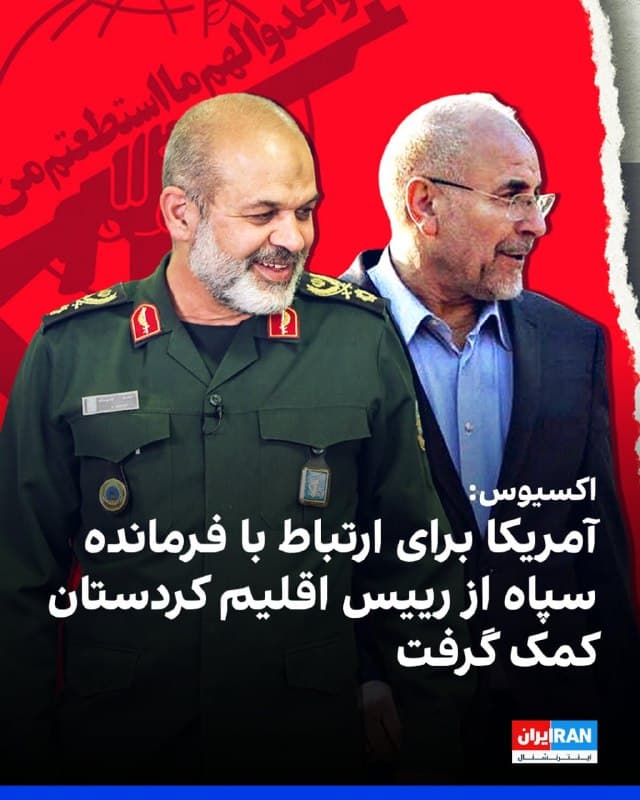
وبسایت اکسیوس در گزارشی نوشت، دولت دونالد ترامپ در جریان مذاکرات محرمانه با ایران برای پایان جنگ، به‌دلیل تردید درباره اختیار مذاکره‌کنندگان ایرانی، از نیچروان بارزانی، رییس اقلیم کردستان عراق، برای برقراری یک کانال مستقیم با فرماندهی سپاه پاسداران استفاده کرده است. بر اساس این گزارش، مقام‌های آمریکایی در میانه ماه مه نگران بودند که محمدباقر قالیباف، رییس مجلس، و عباس عراقچی، وزیر امور خارجه ایران، اختیار لازم برای رسیدن به توافق را نداشته باشند و مواضع آنها از سوی سپاه پاسداران تغییر کند یا وتو شود. به همین دلیل، دولت ترامپ تلاش کرد مستقیما از موضع فرماندهی سپاه درباره مذاکرات مطلع شود. تولسی گابارد، مدیر وقت اطلاعات ملی آمریکا، در همین چارچوب با نیچروان بارزانی تماس گرفت و از او خواست برای برقراری ارتباط با احمد وحیدی، فرمانده سپاه پاسداران، کمک کند. بارزانی به‌دلیل سابقه زندگی و تحصیل در ایران، تسلط به زبان فارسی و روابط نزدیک با مقام‌های جمهوری اسلامی، از جمله فرماندهان سپاه، به‌عنوان واسطه مورد اعتماد واشینگتن انتخاب شد. بارزانی پس از تماس با طرف ایرانی، خواستار گفت‌وگوی مستقیم با وحیدی شد. چند روز بعد، یک مقام سپاه با یک تلفن رمزگذاری‌شده به دفتر بارزانی در اربیل رفت و تماس امنی میان دو طرف برقرار شد. به نوشته آکسیوس، وحیدی در این تماس به بارزانی گفته است که از مذاکره‌کنندگان ایرانی حمایت می‌کند و موضع سپاه نیز حل بحران از مسیر مذاکره است. بارزانی پس از این گفت‌وگو، نتیجه تماس را به گابارد و او نیز آن را به کاخ سفید منتقل کرد. پس از این تماس، آمریکا پیشنهاد کرد مذاکرات محرمانه میان مقام‌های ارشد دو کشور در اربیل برگزار شود و بارزانی میزبان این نشست باشد. طرف ایرانی این پیشنهاد را رد نکرد، اما درباره امنیت مذاکره‌کنندگان ابراز نگرانی کرد. بر اساس گزارش آکسیوس، مقام‌های ایرانی نگران بودند که نیروهای اطلاعاتی اسراییل در اقلیم کردستان حضور داشته باشند و احتمال حمله به آنها در اربیل یا در مسیر رفت‌وبرگشت وجود داشته باشد. در نهایت این نشست برگزار نشد. آکسیوس این تلاش محرمانه را نشانه‌ای از دشواری واشینگتن برای تشخیص مرکز واقعی تصمیم‌گیری در جمهوری اسلامی دانسته است. این رسانه می‌گوید جنگ و کشته‌شدن علی خامنه‌ای و شماری از مقام‌های ارشد جمهوری اسلامی، همراه با ادامه درگیری‌ها، نفوذ سپاه بر تصمیم‌های مرتبط با امنیت ملی و سیاست خارجی را افزایش داده است. به نوشته آکسیوس، بارزانی اخیرا نیز پیام‌هایی برای کاخ سفید فرستاده و آمادگی خود را برای کمک به ازسرگیری مذاکرات ایران و آمریکا اعلام کرده است. @ VahidHeadline 📡 @VahidOnline

English

The Axios website reported that during secret negotiations with Iran to end the war, the Donald Trump administration used Nechirvan Barzani, president of the Kurdistan Region of Iraq, to establish a direct channel with the Islamic Revolutionary Guard Corps’ command, amid doubts about the authority of the Iranian negotiators. According to the report, in mid-May U.S. officials were concerned that Mohammad Bagher Ghalibaf, the speaker of parliament, and Abbas Araghchi, Iran’s foreign minister, might not have the authority to reach an agreement, and that their positions could be changed or vetoed by the IRGC. The Trump administration therefore sought to learn directly where the IRGC command stood on the negotiations. As part of this effort, Tulsi Gabbard, then the U.S. director of national intelligence, contacted Nechirvan Barzani and asked him to help establish a line of communication with Ahmad Vahidi, the IRGC commander. Barzani was chosen as a trusted intermediary by Washington because he had lived and studied in Iran, spoke Persian, and had close ties with officials in the Islamic Republic, including IRGC commanders. After contacting the Iranian side, Barzani requested a direct conversation with Vahidi. A few days later, an IRGC official went to Barzani’s office in Erbil with an encrypted phone, and a secure call was established between the two sides. Axios reported that Vahidi told Barzani during the call that he supported the Iranian negotiators and that the IRGC’s position was to resolve the crisis through negotiations. After the conversation, Barzani relayed the outcome to Gabbard, who then passed it on to the White House. Following the call, the United States proposed holding secret talks between senior officials from the two countries in Erbil, with Barzani hosting the meeting. The Iranian side did not reject the proposal, but expressed concern about the negotiators’ security. According to Axios, Iranian officials feared that Israeli intelligence agents might be present in the Kurdistan Region and that the negotiators could be attacked in Erbil or while traveling to and from the city. The meeting ultimately did not take place. Axios described the secret effort as a sign of how difficult it is for Washington to identify the Islamic Republic’s true center of decision-making. The outlet says that the war, the killing of Ali Khamenei and several senior Islamic Republic officials, and the continuation of the fighting have increased the IRGC’s influence over national security and foreign policy decisions. Axios reported that Barzani has recently sent messages to the White House as well, offering to help restart negotiations between Iran and the United States. @ VahidHeadline 📡 @VahidOnline

2026-08-16 19:12
Telegram ↗
Documentation from Iran - 2026-08-16
1
View on Telegram ↗

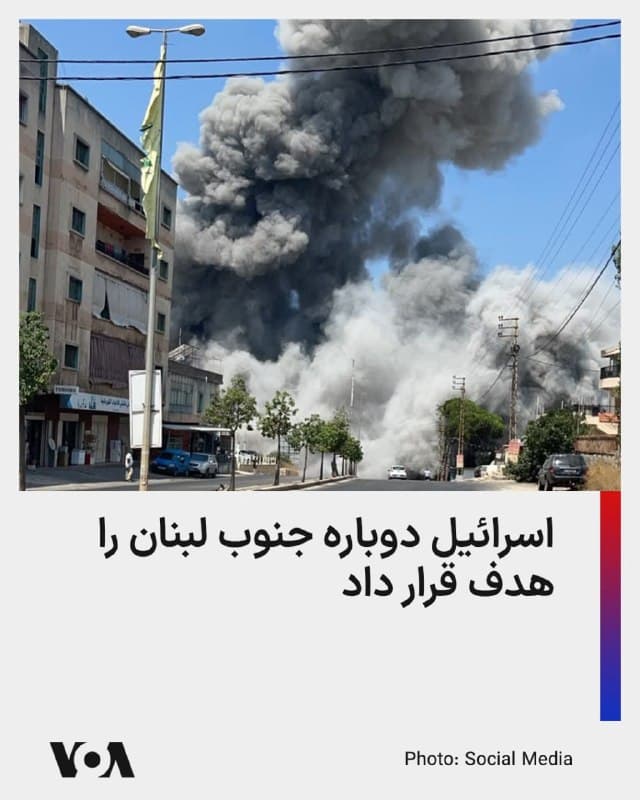
پس از آن که قالیباف اعلام کرد درباره مسائل مرتبط با سرنوشت مردم ایران از روی حزب‌الله لبنان تصمیم گرفته میشه و اطمینان داد که مذاکرات به خاطر حمله اسرائیل به اون‌ها متوقف شده بود و مدعی شد که تهدید کرده بودیم اگر ادامه پیدا کنه " این‌طوری، این‌طوری، این‌طوری، شما را خواهیم زد ": شنبه: ‌وزارت بهداشت لبنان می‌گوید که حملات روز گذشته اسرائیل به روستاهای جنوب لبنان ۱۱ کشته به جای گذاشته است. ارتش اسرائیل گفت که این حملات در پاسخ به حمله حزب‌الله به نیروهای اسرائیلی انجام شده است؛ حمله‌ای که به گفته اسرائیل سه سرباز را به‌شدت زخمی کرد. اسرائیل همچنین می‌گوید که یکی از فرماندهان نیروی رضوان حزب‌الله در حمله به انصار کشته شده است. این حملات از مرگبارترین حملات از زمان آغاز آتش‌بس میان اسرائیل و حزب‌الله در ماه ژوئن به شمار می‌رود. با این حال، نواف سلام، نخست‌وزیر لبنان، با تاکید بر غیرنظامی بودن قربانیان، این اقدام را تنش‌آفرینی بسیار خطرناک برای ثبات منطقه خواند و خواستار توقف فوری آن شد. @ VahidHeadline و دوباره امروز یکشنبه: ارتش اسرائیل بامداد یکشنبه نبطیه در جنوب لبنان را هدف قرار داد. این حمله تنها چند ساعت پس از مرگبارترین روز حملات اسرائیل در لبنان از زمان آتش‌بس با میانجی‌گری آمریکا بود که دست‌کم ۱۱ کشته بر جای گذاشت. بر پایه گزارش الجزیره، آن حملات صدها خانواده را به فرار واداشت و جاده‌های منتهی به شمال را مسدود کرد. @ VahidHeadline 📡 @VahidOnline

English

After Ghalibaf announced that decisions about matters affecting the fate of the Iranian people were being made on behalf of Hezbollah in Lebanon, assured people that the negotiations had been halted because of Israel’s attack on them, and claimed that we had threatened, “If this continues like this, like this, like this, we will hit you”: Saturday: Lebanon’s Health Ministry says Israel’s attacks on villages in southern Lebanon the previous day left 11 people dead. The Israeli military said the strikes were carried out in response to a Hezbollah attack on Israeli forces, which Israel said had seriously wounded three soldiers. Israel also says that a commander in Hezbollah’s Radwan Force was killed in a strike on Ansar. These are among the deadliest attacks since the ceasefire between Israel and Hezbollah began in June. However, Lebanese Prime Minister Nawaf Salam, stressing that the victims were civilians, called the action an extremely dangerous escalation that threatened regional stability and demanded an immediate halt to it. @VahidHeadline And again today, Sunday: The Israeli military struck Nabatieh in southern Lebanon early Sunday. The attack came just hours after the deadliest day of Israeli strikes in Lebanon since the U.S.-brokered ceasefire, which left at least 11 people dead. According to Al Jazeera, those attacks forced hundreds of families to flee and blocked roads leading north. @VahidHeadline 📡 @VahidOnline

2026-08-16 19:04
Telegram ↗
Documentation from Iran - 2026-08-16
1
View on Telegram ↗

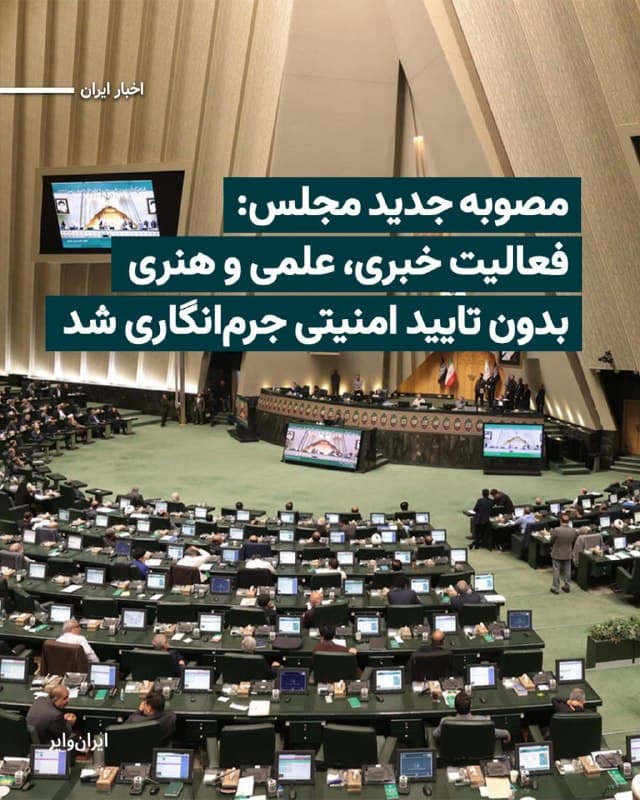
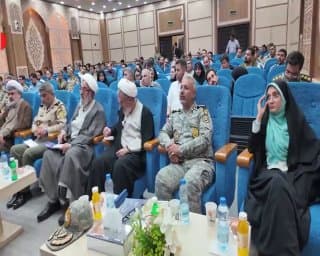
اعلام کردند که کلیات این طرح تصویب شده و جزئیات منتشرشده [ به نقل از "پایگاه اطلاع‌رسانی وزارت کشور" ] هنوز بررسی و تایید نشده‌اند: مجلس شورای اسلامی طرحی را تصویب کرده است که در صورت تبدیل‌شدن به قانون، مصاحبه و ارتباط با رسانه‌های خارجی، ارسال فیلم و عکس، همکاری علمی با برخی دانشگاه‌های خارج از کشور و شماری از فعالیت‌های فرهنگی و آموزشی را جرم‌انگاری می‌کند. طرح «مقابله با نفوذ سرویس‌های اطلاعاتی و دولت‌ها یا نهادهای بیگانه در کشور» روز یکشنبه ۲۵ مرداد با ۱۸۳ رای موافق در مجلس تصویب شد. براساس متن منتشر شده از مصوبه، مصاحبه، شرکت در گفت‌وگو یا هرگونه ارتباط با رسانه‌هایی که حکومت آن‌ها را «معاند» می‌نامد، مجازات حبس درجه شش، معادل بیش از شش ماه تا دو سال زندان، خواهد داشت. رسانه‌های آمریکایی، اسرائیلی یا رسانه‌هایی که از سوی این دو کشور تامین مالی می‌شوند، در این طرح از مصادیق رسانه «معاند» معرفی شده‌اند. دبیرخانه شورای عالی امنیت ملی نیز موظف خواهد بود فهرست این رسانه‌ها را هر سال منتشر کند. گفت‌وگو با دیگر رسانه‌های خارجی نیز به اطلاع‌رسانی در سامانه‌ای وابسته به وزارت اطلاعات مشروط شده است. مصاحبه بدون ثبت قبلی در این سامانه، می‌تواند به شش ماه تا دو سال زندان منجر شود. ارسال فیلم، عکس، صدا و هرگونه داده برای رسانه‌های غیرایرانی یا افرادی که در خارج از کشور فعالیت رسانه‌ای دارند نیز با همین مجازات روبه‌رو خواهد شد. اگر ارسال اطلاعات در قالب همکاری، با آنچه «قصد مقابله با امنیت کشور» خوانده شده یا هنگام «بحران، اغتشاش یا آشوب» انجام شود، مجازات به حبس درجه پنج، معادل دو تا پنج سال زندان، افزایش خواهد یافت. در متن طرح تعریف مشخصی از «ارتباط»، «رسانه معاند»، «شرایط بحرانی» و «فعالیت رسانه‌ای خارج از کشور» ارائه نشده است. گستردگی این عبارات می‌تواند ارتباط شهروندان با خبرنگاران و ارسال تصاویر رویدادهای روزمره را نیز مشمول پیگرد قرار دهد. وزارت اطلاعات و سازمان اطلاعات سپاه ضابطان جرایم این مصوبه تعیین شده‌اند و رسیدگی به پرونده‌های آن در دادگاه انقلاب انجام خواهد شد. محدودیت همکاری‌های علمی و آموزشی مصوبه مجلس، همکاری با دانشگاه‌ها، موسسه‌ها و سازمان‌های خارجی را نیز محدود می‌کند. وزارت اطلاعات موظف خواهد بود هر سال فهرست مراکز خارجی مجاز برای دریافت بورسیه، کمک‌هزینه تحصیلی، انعقاد قرارداد و شرکت در همایش‌های علمی را منتشر کند. همکاری با مراکزی که نام آن‌ها در این فهرست نباشد و همچنین ارسال نمونه‌های پزشکی، تحقیقاتی و باستان‌شناسی برای آن‌ها، مجازات شش ماه تا دو سال زندان خواهد داشت. برگزارکنندگان دوره‌ها، کلاس‌ها و کارگاه‌های حضوری یا مجازی که به تشخیص حکومت با «فرهنگ ایرانی ناسازگار» باشند یا تحت هدایت نهادهای خارجی برگزار شوند، ممکن است به حبس درجه پنج، معادل دو تا پنج سال زندان، محکوم شوند. در برخی گزارش‌ها مجازات برگزارکنندگان این دوره‌ها پنج تا ۱۰ سال اعلام شده است، اما متن منتشرشده از مصوبه، حبس درجه پنج را تعیین کرده که براساس قانون مجازات اسلامی بین دو تا پنج سال است. افرادی که با اطلاع از هدف برگزارکنندگان در این دوره‌ها شرکت کنند نیز ممکن است به جزای نقدی یا شش ماه تا دو سال زندان محکوم شوند. محدودیت‌های تازه برای هنرمندان فعالیت‌هایی مانند تولید یا کارگردانی فیلم، سریال، مستند و تئاتر و همچنین تولید موسیقی و کتاب، در صورت ارتباط با نهادهای خارجی و با تشخیص نهادهای امنیتی، می‌تواند مشمول مجازات شود. در متن مصوبه از آثاری نام برده شده است که «احکام دینی را زیر سوال ببرند»، «چهره سیاهی از ایران نشان دهند»، «مروج فرهنگ ضد اسلامی» باشند یا با هدف مقابله با جمهوری اسلامی تولید شوند. تهیه‌کنندگان، نویسندگان و کارگردانان این آثار ممکن است با جریمه نقدی، محرومیت دائمی از خدمات حکومتی یا ممنوعیت همیشگی از تولید آثار فرهنگی و هنری روبه‌رو شوند. عباراتی مانند «چهره سیاه از ایران» و «ناسازگاری با فرهنگ ایرانی» نیز در این طرح تعریف نشده‌اند و تشخیص آن‌ها برعهده نهادهای امنیتی و قضایی گذاشته شده است. @ VahidHeadline کانال مجتبی خامنه‌ای، بدون اشاره مستقیم به ماجرا این پست رو گذاشت: 🗒 لازم است مصوّبات مجلس با مسائل اصلی کشور و نیازهای مردم نسبتی مستقیم و مشهود داشته باشد و معطوف به امیدآفرینی و آینده‌سازی کشور باشد. جامعه پیش از هر چیز نیازمند مشاهده‌ی نشانه‌های واقعی امید، مسیر باثبات و چشم‌انداز روشن از آینده است تا بتواند بر اساس آن برنامه‌ریزی و حرکت کند و نمایندگان مجلس با مواضع، مصوّبات و نطق‌های خود میتوانند مجلس شورای اسلامی را نهاد پیشران امیدآفرینی نمایند. ✍️ بخشی از پیام به‌مناسبت سالروز افتتاح اولین دوره مجلس شورای اسلامی و آغاز سومین سال فعالیت مجلس دوازدهم | ۷/خرداد/۱۴۰۵" 📡 @VahidOnline

English

They announced that the general principles of the bill have been approved, while the published details [quoted from the “Ministry of Interior Information Portal”] have not yet been reviewed or confirmed: The Islamic Consultative Assembly has approved a bill that, if enacted into law, would criminalize interviews and communication with foreign media, sending videos and photos, academic cooperation with certain foreign universities, and a range of cultural and educational activities. The bill, “Countering the Infiltration of Intelligence Services and Foreign Governments or Entities into the Country,” was approved by the Assembly on Sunday, 25 Mordad, with 183 votes in favor. According to the published text of the resolution, interviews, participation in discussions, or any form of communication with media the authorities call “hostile” would be punishable by a sixth-degree prison sentence—more than six months to two years in prison. American and Israeli media, as well as media funded by either of those countries, are identified in the bill as examples of “hostile” media. The Secretariat of the Supreme National Security Council would also be required to publish a list of these media outlets every year. Communicating with other foreign media would also be conditional on notifying a system affiliated with the Ministry of Intelligence. An interview without prior registration in this system could lead to six months to two years in prison. Sending videos, photos, audio, or any other data to non-Iranian media or to people engaged in media work outside the country would carry the same punishment. If information is sent as part of cooperation, with what the bill calls “the intent to undermine the country’s security,” or during a “crisis, unrest, or riot,” the punishment would rise to a fifth-degree prison sentence—two to five years in prison. The bill does not clearly define “communication,” “hostile media,” “crisis conditions,” or “media activity outside the country.” The breadth of these terms could mean that citizens’ communications with journalists and the sharing of images of everyday events could also be subject to prosecution. The Ministry of Intelligence and the Intelligence Organization of the Islamic Revolutionary Guard Corps have been designated as the authorities responsible for enforcing the offenses listed in the resolution, and cases will be heard in Revolutionary Courts. **Restrictions on academic and educational cooperation** The Assembly’s resolution would also restrict cooperation with foreign universities, institutions, and organizations. The Ministry of Intelligence would be required to publish an annual list of foreign institutions approved to receive scholarship or student aid applications, enter into contracts, and participate in academic conferences. Cooperation with institutions not included on the list, as well as sending them medical, research, or archaeological samples, would be punishable by six months to two years in prison. Organizers of in-person or online courses, classes, and workshops that the authorities deem “incompatible with Iranian culture” or that are held under the direction of foreign entities could face a fifth-degree prison sentence—two to five years in prison. Some reports have put the punishment for organizers of these courses at five to 10 years, but the published text of the resolution specifies a fifth-degree sentence, which under the Islamic Penal Code means two to five years. People who attend these courses knowing the organizers’ aims could also face a fine or six months to two years in prison. **New restrictions on artists** Activities such as producing or directing films, series, documentaries, and theater, as well as producing music and books, could be punishable if they involve ties to foreign entities and security agencies determine that they fall under the bill. The resolution refers to works that “question religious rulings,” “portray Iran in a dark light,” “promote anti-Islamic culture,” or are produced with the aim of opposing the Islamic Republic. Producers, writers, and directors of such works could face fines, permanent exclusion from government services, or a lifetime ban on producing cultural and artistic works. Terms such as “portray Iran in a dark light” and “incompatible with Iranian culture” are also undefined in the bill, with their interpretation left to security and judicial authorities. @VahidHeadline Mojtaba Khamenei’s channel posted this without directly referring to the matter: 🗒 “It is necessary for the Assembly’s resolutions to have a direct and clear connection to the country’s main issues and people’s needs, and to be focused on inspiring hope and building the country’s future. Above all, society needs to see real signs of hope, a stable course, and a clear vision of the future so that it can plan and move forward accordingly. Through their positions, resolutions, and speeches, members of the Islamic Consultative Assembly can make the Assembly an institution that drives hope.” ✍️ An excerpt from the message marking the anniversary of the opening of the first term of the Islamic Consultative Assembly and the beginning of the third year of the 12th Assembly | 7/Khordad/1405 📡 @VahidOnline
2026-08-16 18:43
Telegram ↗
Documentation from Tehran, Rasht - 2026-08-16
1
View on Telegram ↗

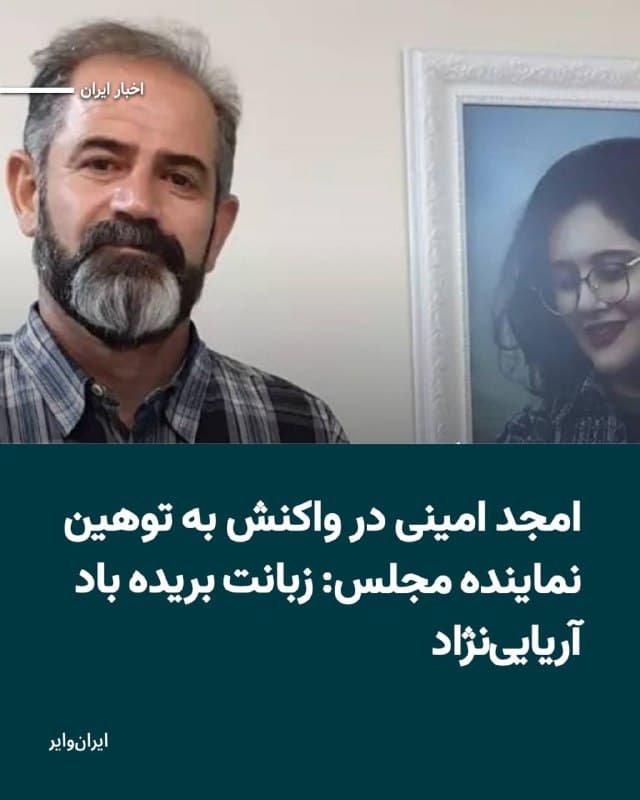
احمد آریایی‌نژاد، نماینده ملایر در مجلس ایران، در یک مناظره تلویزیونی، کشته‌شدن مهسا (ژینا) امینی را با عبارتی توهین‌آمیز توصیف کرد و اعتراضات پس از مرگ او را «هشت ماه اغتشاش» خواند. این اظهارات در رسانه شهرداری تهران (همشهری) مطرح شده است. پدر و مادر مهسا امینی در استوری‌های مشترکی در شبکه‌های اجتماعی،سخنان این نماینده مجلس را «توهین‌آمیز» خواندند و گفتند چنین اظهاراتی از ارزش و جایگاه دخترشان نمی‌کاهد. @ VahidHeadline امجد امینی نوشته: «مطلع شدم احمد آریایی‌نژاد، نماینده ملایر در مجلس، با لفظی چنان‌که سزاوار و شایسته خود و اسلاف ایشان است و با کلماتی که در هیچ آیین، مرام و معرفتی جای ندارد، به دختر ما، خانواده ما و تمام مردم کردستان و ایران توهین کرده است.» پدر ژینا امینی همچنین با اشاره به وضعیت اقتصادی و اجتماعی ایران، خطاب به این نماینده مجلس نوشته است: «عجیب است در شرایطی که مردم این مملکت به‌خاطر تصمیمات امثال آقای نماینده در اوج فقر و فلاکت هستند و هزاران دختر و پسر هم‌سن‌وسال ژینا در افسوس آینده‌ای که ایشان به آتش کشیده‌اند می‌سوزند، باز هم سراغ دختر ما رفته‌اند.» او در بخش دیگری از نوشته خود آورده است: «می‌گویید فرشته نازنین ما به درک واصل شد؛ بریده باد زبان شما که یک مملکت را به درک واصل کردید و نه‌تنها از عقل و خرد، بلکه از سر سوزنی شرم نصیبی نبرده‌اید.» پدر مهسا امینی در پایان نوشته است: «نام دخترمان در کنار هزاران انسان بی‌گناه دیگر تا ابد در تاریخ این کشور جاودان است.» @ VahidHeadline 📡 @VahidOnline

English

Ahmad Arianejad, Malayer’s representative in Iran’s parliament, described the killing of Mahsa (Jina) Amini in insulting terms during a televised debate, and called the protests following her death “eight months of riots.” The remarks were made on Hamshahri, a media outlet owned by the Tehran municipality. In joint social media stories, Mahsa Amini’s parents called the lawmaker’s words “insulting” and said such remarks could not diminish their daughter’s worth or standing. @ VahidHeadline Amjad Amini wrote: “I learned that Ahmad Arianejad, Malayer’s representative in parliament, insulted our daughter, our family, and all the people of Kurdistan and Iran with a term befitting him and his predecessors, and with words that have no place in any faith, creed, or moral code.” Referring also to Iran’s economic and social conditions, Jina Amini’s father wrote to the lawmaker: “It is astonishing that, at a time when the people of this country are in the depths of poverty and misery because of decisions made by people like you, and thousands of girls and boys Jina’s age are burning with regret over a future you have set aflame, you still choose to target our daughter.” In another part of his post, he wrote: “You say our dear angel was sent to hell. May your tongue be cut off—you have sent an entire country to hell, and you have shown not a shred of wisdom or shame.” Mahsa Amini’s father ended his post by writing: “Our daughter’s name, alongside those of thousands of other innocent people, will live forever in the history of this country.” @ VahidHeadline 📡 @VahidOnline

2026-08-16 18:31
Telegram ↗
Documentation from Karaj - 2026-08-16
1
View on Telegram ↗

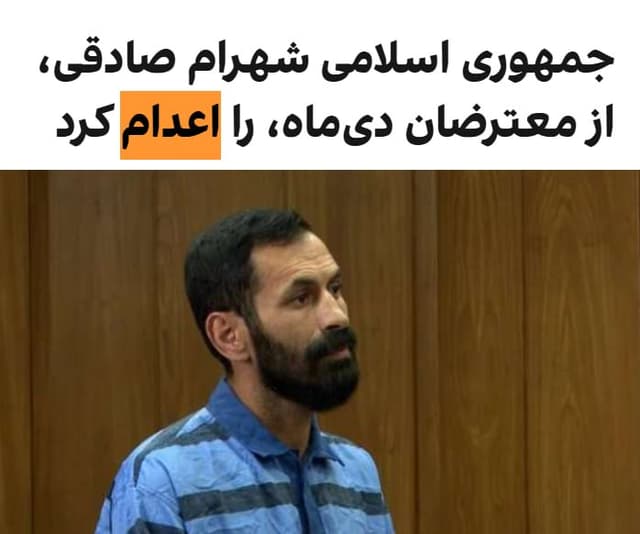
خبرگزاری میزان، وابسته به قوه قضاییه جمهوری اسلامی، گزارش داد حکم اعدام شهرام صادقی، از معترضان خیزش دی‌ماه، بامداد یک‌شنبه ۲۵ مرداد به اجرا درآمد. به گزارش این رسانه حکومتی، دادگاه انقلاب کرج صادقی را به اتهام «اقدام عملیاتی به نفع اسرائیل، آمریکا و گروه‌های متخاصم» به اعدام محکوم کرده بود. خبرگزاری قوه قضاییه این زندانی سیاسی را متهم کرد که شامگاه ۱۸ دی ۱۴۰۴ در جریان «کودتای آمریکایی-صهیونی»، با یک دستگاه خودروی پراید شماری از ماموران یگان ویژه استان البرز مستقر در چهارراه گلزار کرج را «عمدا» زیر گرفت. میزان نوشت در این رویداد، هفت مامور یگان ویژه مصدوم شدند. مقام‌ها و رسانه‌های جمهوری اسلامی در تلاش برای بی‌اعتبار کردن صدای انتقاد شهروندان، بارها اعتراضات ضدحکومتی را «اغتشاشات»، «آشوب» و «کودتا» نامیده و آن‌ها را به بازیگران خارجی، از جمله آمریکا و اسرائیل، نسبت داده‌اند. شدند. میزان در ادامه گزارش داد صادقی پس از «حمله» به ماموران یگان ویژه در کرج، با «همکاری اغتشاشگران» خودروی خود را به آتش کشید و از محل گریخت. در این گزارش آمده است: «او با جعل هویت و در حالی که اعتیاد نداشته، در یک کمپ ترک اعتیاد مخفی شده بود که بلافاصله شناسایی و بازداشت شد.» خبرگزاری قوه قضاییه نوشت صادقی در جریان بازجویی‌ها دست داشتن در این رویداد را رد کرده و گفته بود شامگاه ۱۸ دی از اسلامشهر راهی خانه خود در کردان ساوجبلاغ بوده، اما برای صرف غذا وارد کرج شده و در آنجا خودرویش به سرقت رفته است. به گزارش میزان، این زندانی سیاسی سرانجام پس از مواجهه با «مستندات و دلایل متقن ارائه‌شده»، اتهام خود را پذیرفت و «اذعان کرد» خودرو را به سوی ماموران رانده و سپس آن را آتش زده است. خبرگزاری قوه قضاییه افزود حکم اعدام صادقی پس از رسیدگی به فرجام‌خواهی و تایید در دیوان عالی کشور بامداد ۲۵ مرداد اجرا شد. @ VahidOOnLine 📡 @VahidOnline

English

Mizan News Agency, which is affiliated with the judiciary of the Islamic Republic, reported that the death sentence of Shahram Sadeghi, one of the protesters in the Dey uprising, was carried out at dawn on Sunday, 25 Mordad. According to the state-run outlet, the Karaj Revolutionary Court had sentenced Sadeghi to death on charges of “operational action in favor of Israel, the United States, and hostile groups.” The judiciary’s news agency accused the political prisoner of deliberately running over several officers from the Alborz Province Special Unit, who were stationed at the Golzar intersection in Karaj, with a Pride car on the evening of 18 Dey 1404 during the “American-Zionist coup.” Mizan wrote that seven Special Unit officers were injured in the incident. In efforts to discredit citizens’ voices of criticism, officials and media outlets of the Islamic Republic have repeatedly called anti-government protests “riots,” “unrest,” and a “coup,” and attributed them to foreign actors, including the United States and Israel. They were. Mizan went on to report that after “attacking” the Special Unit officers in Karaj, Sadeghi set his car on fire “with the help of rioters” and fled the scene. The report stated: “He had disguised his identity and, despite not being addicted, was hiding in a drug rehabilitation camp when he was immediately identified and arrested.” The judiciary’s news agency wrote that during questioning, Sadeghi denied involvement in the incident and said that on the evening of 18 Dey he had been traveling from Eslamshahr to his home in Kordan, Savojbolagh, but had entered Karaj to get a meal, where his car was stolen. According to Mizan, after being confronted with “the solid evidence and documentation presented,” the political prisoner eventually accepted the charge and “admitted” that he had driven the car toward the officers and then set it on fire. The judiciary’s news agency added that Sadeghi’s death sentence was carried out at dawn on 25 Mordad, after his appeal was heard and the Supreme Court upheld the sentence. @VahidOOnLine 📡 @VahidOnline

2026-08-16 08:57
Telegram ↗
Sunday, August 16, 2026 - Iran Archive | January 2026 Protests