English
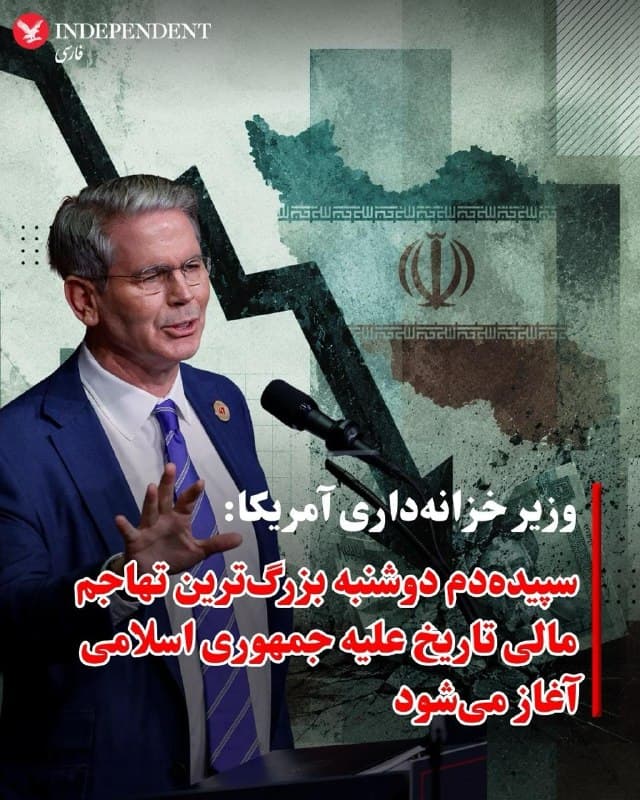
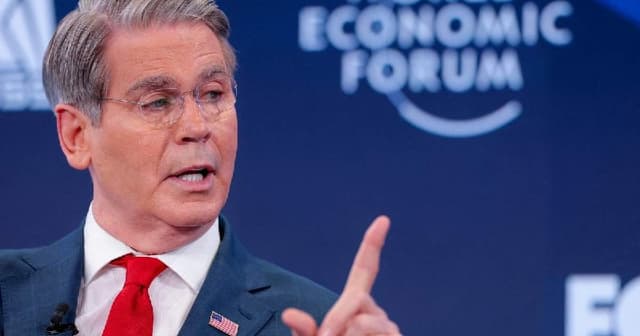
U.S. Treasury Secretary Scott Bessent warned countries that continue their financial and trade relations with the Islamic Republic that they must choose between cooperating with Tehran and retaining access to the United States and the global financial system.
In an article published in the Financial Times, Bessent said the Trump administration intends to cut off all of the Islamic Republic’s financial and commercial lifelines, placing Tehran and the countries and entities that work with it in complete economic isolation.
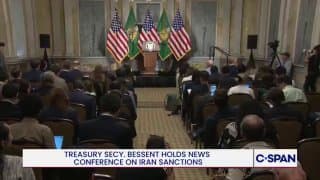
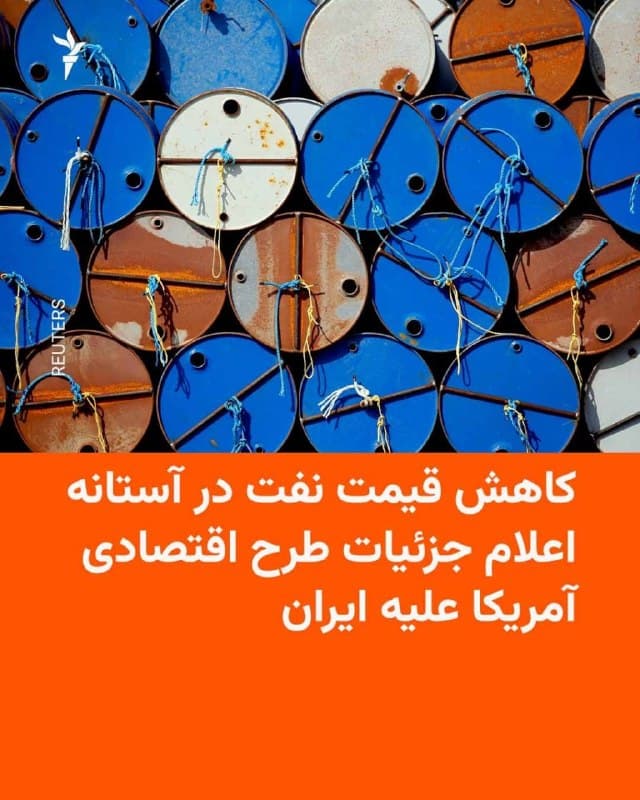
Bessent, who is scheduled to announce details of new U.S. measures against the Islamic Republic at a press conference on Monday, 2 Shahrivar, warned that continued cooperation with the Iranian government would put these countries’ access to capital and global markets at risk.
The U.S. Treasury secretary announced a new and sweeping phase of economic pressure against the Islamic Republic, describing it as an “economic day of reckoning” and the largest organized financial offensive against an adversary.
In his article, Bessent referred to the Tehran Conference of 1943, writing that Allied leaders at the time were seeking a way to apply “the greatest possible pressure on the enemy.” History, he said, is now putting the same question before Tehran, and the time has come for the United States to answer it with all its might.
He emphasized that U.S. President Donald Trump has used American military power to destroy a significant portion of the Iranian government’s military capabilities and weaken the country’s nuclear program. Bessent added that Washington has now entered the “final phase” and intends to complement military pressure with a sweeping assault on the Islamic Republic’s financial and commercial resources.
The U.S. Treasury secretary went on to describe the Islamic Republic as a government that has played a destructive role both inside Iran and beyond its borders over the past 47 years. He said the government’s corruption and policies have devastated an economy that could have been one of the world’s most powerful, while subjecting Iran’s inventive and entrepreneurial people to repression.
Bessent also accused the Islamic Republic of maintaining a network of proxy groups outside Iran to continue its violent and terrorist activities. He said the United States has paid a heavy price in confronting this network, though it is not the only country affected by its activities.
According to the U.S. Treasury secretary, despite the far-reaching threats posed by Tehran’s policies, Washington has often been left alone in its determination to confront the Islamic Republic.
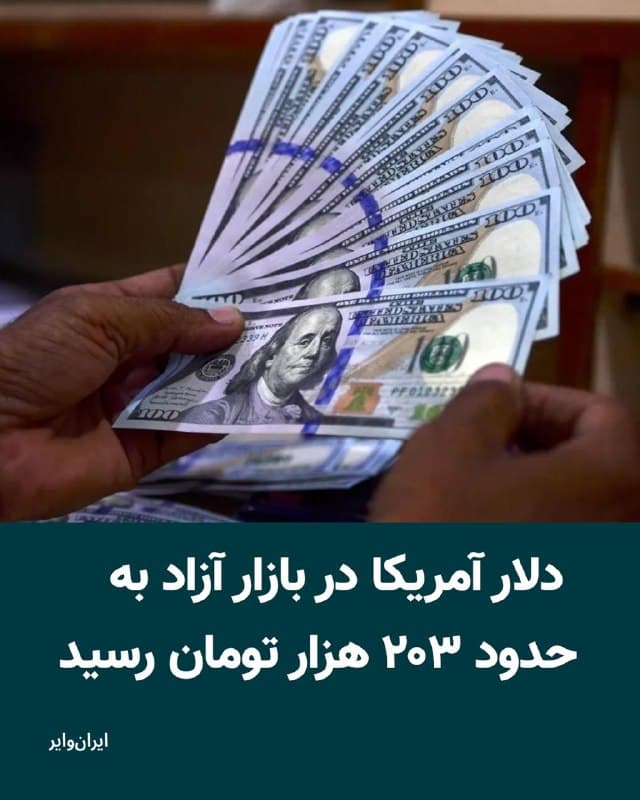
Bessent attributed the sharp fall in the value of the rial and Iran’s high inflation rate to the Trump administration’s policies. He said Iran’s economy has been so weakened that the national currency has fallen to its lowest level and inflation has approached one of its highest levels on record.
He noted that the Islamic Republic’s last hope is continued cooperation from countries that, out of fear or economic considerations, believe that accommodating Tehran could bring them security or lasting peace.
Without naming any specific country, the U.S. Treasury secretary said some foreign governments and entities continue to buy and transport Iranian oil and facilitate the transfer of the country’s financial resources through currency-exchange offices and free-trade zones. Some countries, he said, also allow Iranian flights to operate, register ships on Tehran’s behalf, and turn a blind eye to ship-to-ship fuel transfers at sea and the illegal use of their banking systems.
Bessent accused these countries of simultaneously trying to conceal the extent of their cooperation with the Islamic Republic. He said they are acting on the calculation that appeasing Tehran is safer than standing up to it, but they must also consider the consequences of helping the Islamic Republic survive.
To explain this dilemma, Bessent invoked the thinking of seventeenth-century French philosopher Blaise Pascal. Pascal, he said, believed that uncertainty does not absolve people or nations of judgment; rather, it requires them to assess the risks more carefully, since the cost of a miscalculation can be greater under such conditions.
The U.S. Treasury secretary said “Pascal’s wager” now applies to Iran’s economic lifelines. Countries that continue to fund the Iranian government to avoid Tehran’s retaliation, he said, are in effect strengthening the very government they fear.
Bessent warned that these countries have crossed the limits of U.S. tolerance and must choose between continuing to cooperate with the Islamic Republic and maintaining their economic ties with the United States and the global financial system.
He said Trump is doing what previous U.S. presidents refused to do: ending a threat that earlier administrations had been content to manage and contain. For decades, Bessent said, America’s political class accepted an endless cycle of provocative actions by the Islamic Republic, when it should have pursued U.S. interests with greater resolve.
He said another generation should not have to live under the shadow of forces that chant “Death to America” and seek to achieve the Islamic Republic’s nuclear ambitions.
The U.S. Treasury secretary argued that placing Tehran in complete financial isolation could reduce the need for the direct use of American military force while increasing the security and freedom of action of Washington’s allies.
He also offered incentives to countries that cut their financial and trade ties with Iran. Bessent said ending cooperation with Tehran could improve these countries’ access to global capital, strengthen confidence in their markets, and enhance their standing in the international economy.
By contrast, he warned that countries that maintain ties with Tehran could lose their path to lasting prosperity. In countries where the confidence of investors and global markets declines, he said, illicit financial activity typically expands.
Bessent said any country that acts as a financial lifeline for a declining government should expect to share in its isolation. He added that any country that becomes a haven for terrorist activity will, in the eyes of the United States, become a pariah on the world stage.
The U.S. Treasury secretary accused the Islamic Republic of using extortion disguised as security guarantees over the years, and of exploiting other countries’ fear of retaliatory actions by Tehran. The Islamic Republic’s power, he said, has rested on the calculation that Iran’s response was certain, while the implementation of U.S. threats was negotiable.
Bessent said that period ended with Trump’s return to power, and countries afraid to stand up to Tehran should not underestimate the cost of testing Washington’s resolve. He added that Trump has created conditions in which the U.S. government can use every agency, legal authority, and tool that many believed Washington would never resort to.
Bessent warned that any remaining ties to Tehran could accelerate the economic isolation of the countries and entities involved, whether those ties were established knowingly or deliberately overlooked by governments and companies.
The U.S. Treasury secretary also warned of the possibility of a military response by the Islamic Republic. He said that if Tehran takes military action against U.S. forces or neighboring countries in the Persian Gulf as Iran’s economy weakens and the government’s grip on power diminishes, Trump will respond “swiftly and decisively.”
Bessent concluded by describing the U.S. government’s aim as cutting off every economic lifeline that helps the Islamic Republic survive. He said the pressure would continue until Tehran is in complete isolation.
Once again invoking Pascal, he described the decision facing countries that cooperate with the Iranian government as a choice about their own future, and asked whether they were willing to put that future at risk in the face of a new wave of U.S. pressure.
@VahidOOnLine 📡 @VahidOnline