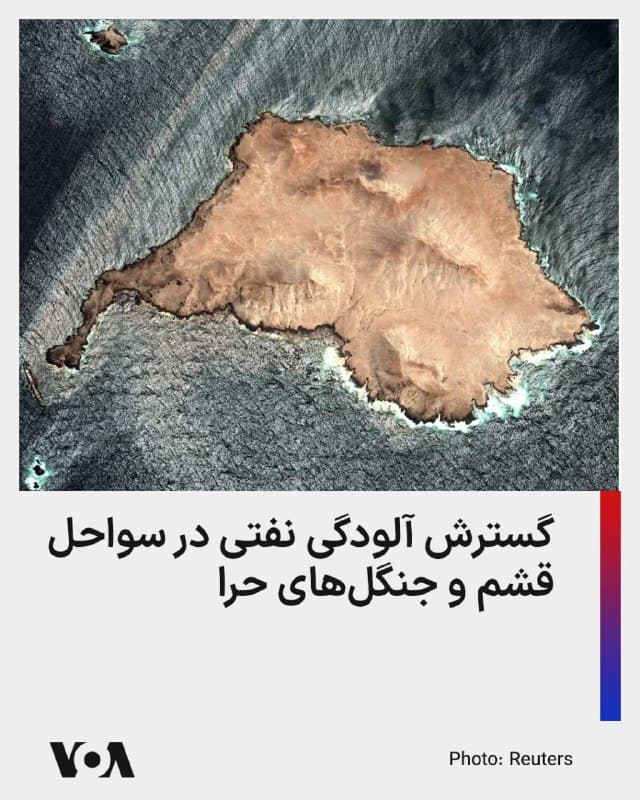
آلودگی نفتی مشاهدهشده در سواحل جنوبی جزیره قشم به محدوده جنگلهای حرای روستای «نقاشه» گسترش یافته است. خبرگزاری ایرنا روز چهارشنبه ۲۱ مرداد گزارش داد بخشی از لکههای نفتی وارد محدوده این جنگلها شده و عملیات پایش و پاکسازی با هدف جلوگیری از گسترش بیشتر آلودگی آغاز شده است. بهرغم گذشت دو روز از گزارش شدن این آلودگی، رئیس اداره منابع طبیعی و آبخیزداری جزیره قشم اعلام منشأ دقیق ورود لکههای نفتی را به «بررسیهای کارشناسی و جمعبندی گزارش دستگاههای مسئول» موکول کرد. جنگلهای حرا از زیستبومهای حساس ساحلی قشم به شمار میروند و نقش مهمی در حفظ تنوع زیستی، پایداری سواحل و زیست و تکثیر گونههای مختلف آبزی و پرندگان دارند. سواحل هرمزگان در بهار امسال نیز با آلودگی گستردهٔ نفتی روبهرو شده بود. مدیرکل حفاظت محیط زیست هرمزگان در ۱۲ اردیبهشت اعلام کرده بود آلودگی آن زمان در پی حمله به پالایشگاه نفت لاوان ایجاد شده و مواد نفتی به نقاط مختلف سواحل استان، از جمله قشم، لارک، هنگام و هرمز رسیده بود. @ VahidHeadline در عملیات پاکسازی نفت از سواحل قشم، از پدهای جاذب برای جمعآوری لکههای نفتی استفاده میشود. این پدها معمولاً از الیاف مصنوعی مانند پلیپروپیلن ساخته میشوند و نفت و روغن را جذب میکنند، در حالی که آب کمتری به خود میگیرند. پدهای جاذب میتوانند با جمعآوری سریع نفت، از گسترش لکه روی آب و رسیدن آلودگی به ماهیها، لاکپشتها، پرندگان دریایی و مرجانها جلوگیری کنند و آسیب به سواحل و اسکلهها را کاهش دهند. با این حال، پدهای جاذب بهتنهایی برای مقابله با نشتهای گسترده نفت کافی نیستند و معمولاً در کنار بومهای مهار نفت، اسکیمرها، تجهیزات مکش و دیگر روشهای تخصصی پاکسازی به کار میروند. پدهای اشباعشده نیز باید به شکل مناسب جمعآوری و دفع شوند. @ VahidHeadline 📡 @VahidOnline
English
The oil pollution observed along the southern coast of Qeshm Island has spread to the mangrove forests near the village of “Naqasheh.” On Wednesday, 21 Mordad, the IRNA news agency reported that some of the oil slicks had entered the forest area and that monitoring and cleanup operations had begun to prevent the pollution from spreading further. Despite two days having passed since the pollution was reported, the head of Qeshm Island’s Natural Resources and Watershed Management Office said the exact source of the oil slicks would be determined after “expert assessments and a review of reports from the responsible agencies.” The mangrove forests are among Qeshm’s sensitive coastal ecosystems and play an important role in preserving biodiversity, stabilizing the coast, and providing habitat for the life and reproduction of various aquatic species and birds. Hormozgan’s coasts also faced widespread oil pollution this spring. On 12 Ordibehesht, the province’s director-general of environmental protection said the pollution had resulted from an attack on the Lavan Oil Refinery, and that petroleum products had reached various parts of the province’s coastline, including Qeshm, Larak, Hengam, and Hormuz. @ VahidHeadline During oil cleanup operations along Qeshm’s coasts, absorbent pads are being used to collect the oil slicks. These pads are usually made of synthetic fibers such as polypropylene. They absorb oil and grease while taking in less water. By quickly collecting oil, absorbent pads can help prevent slicks from spreading across the water and pollution from reaching fish, turtles, seabirds, and corals, while reducing damage to beaches and piers. However, absorbent pads alone are not enough to deal with large oil spills. They are typically used alongside oil containment booms, skimmers, suction equipment, and other specialized cleanup methods. Saturated pads must also be collected and disposed of properly. @ VahidHeadline 📡 @VahidOnline